Let it Die version for PC

Share
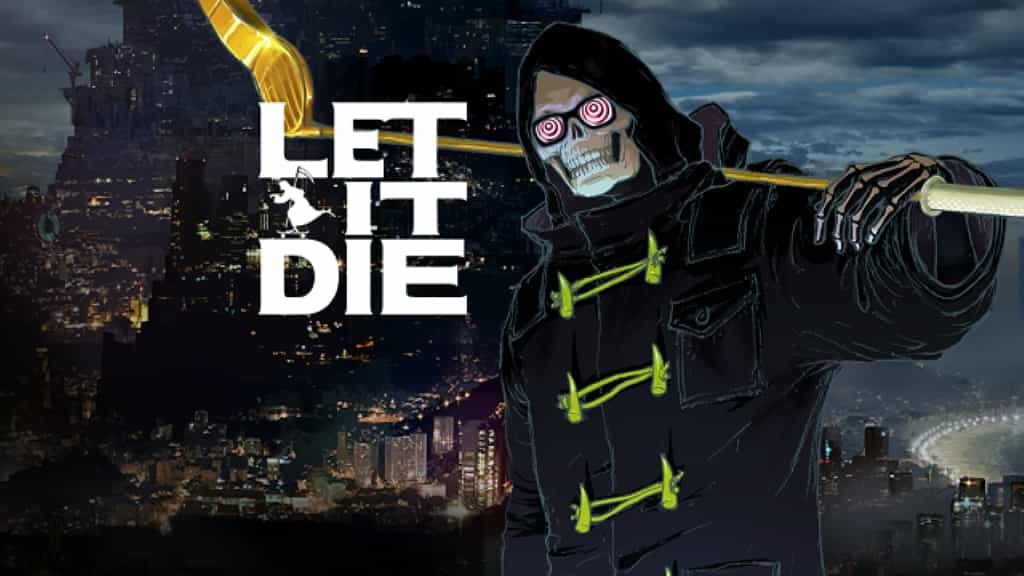
LET IT DIE is a free-to-play action survival game developed by Grasshopper Manufacture and published by GungHo Online Entertainment. Originally released for PlayStation platforms, the game gained a strong cult following thanks to its brutal combat, roguelike progression, and distinctive punk-infused atmosphere.
Over time, interest in LET IT DIE for PC has continued to grow among players drawn to its unforgiving difficulty, procedural tower climbing, and darkly satirical presentation. The PC version allows players to experience the game’s high-stakes combat and progression systems on modern hardware with flexible control options.
The game is presently accessible for Microsoft Windows on GamesKnit.
Set in a twisted, post-apocalyptic version of Tokyo, the game challenges players to ascend the mysterious Tower of Barbs, where death is frequent, progress is hard-earned, and survival depends on preparation, skill, and persistence.
Game Overview & Concept
LET IT DIE is a free-to-play action game built around brutal difficulty, dark humor, and high-stakes progression. Set within a surreal post-apocalyptic tower, the game blends hack-and-slash combat with roguelike systems that emphasize learning through failure rather than linear power growth.
Origins, Style & Creative Direction
The project began as Lily Bergamo, a concept-driven action title unveiled prior to its rebranding at E3 2014. Under the direction of Goichi “Suda51” Suda, the game evolved into LET IT DIE — a radical departure from traditional action games, embracing death as a core mechanic rather than a failure state.
The title reflects Grasshopper Manufacture’s signature style: surreal, aggressive, and intentionally polarizing, blending Japanese and Western influences into a cyberpunk-infused dystopia.
Setting & Narrative Framework
The game takes place in the Tower of Barbs, a massive structure rising from a ruined Tokyo. Players climb floor by floor through increasingly hostile environments, guided — and mocked — by Uncle Death, a skateboarding grim reaper who serves as the game’s narrator, tutorial voice, and tonal anchor.
Death is woven directly into the narrative. When players fall, their fighters may reappear in other players’ worlds, reinforcing a shared ecosystem where loss has lasting consequences.
Gameplay & Roguelike Structure
LET IT DIE is built around hack-and-slash combat blended with punishing roguelike progression. This section explores how the game’s roguelike structure, stamina-based fighting, and death mechanics combine to create a system where skill, planning, and adaptability matter more than raw power.
Combat System & Difficulty Curve
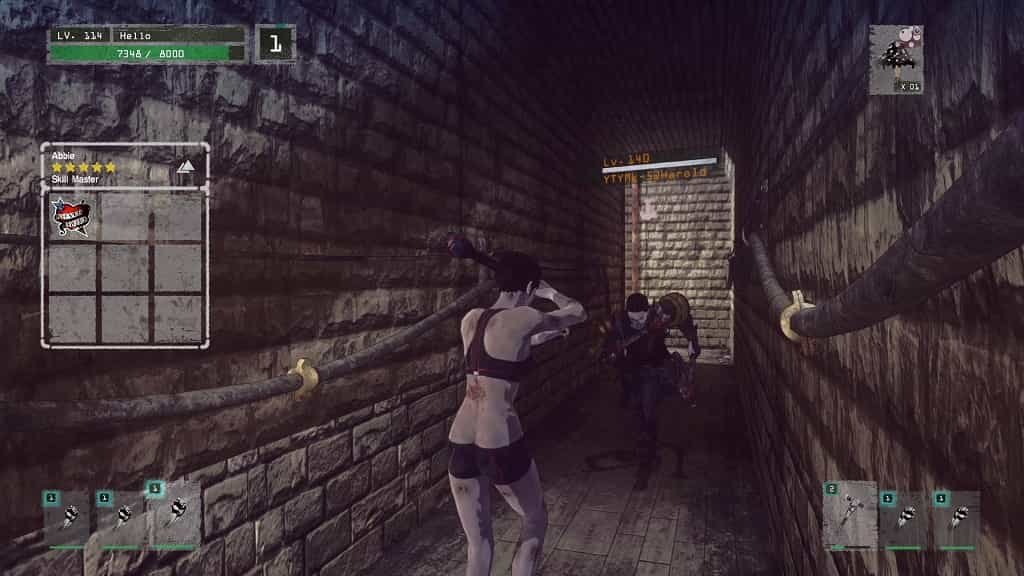
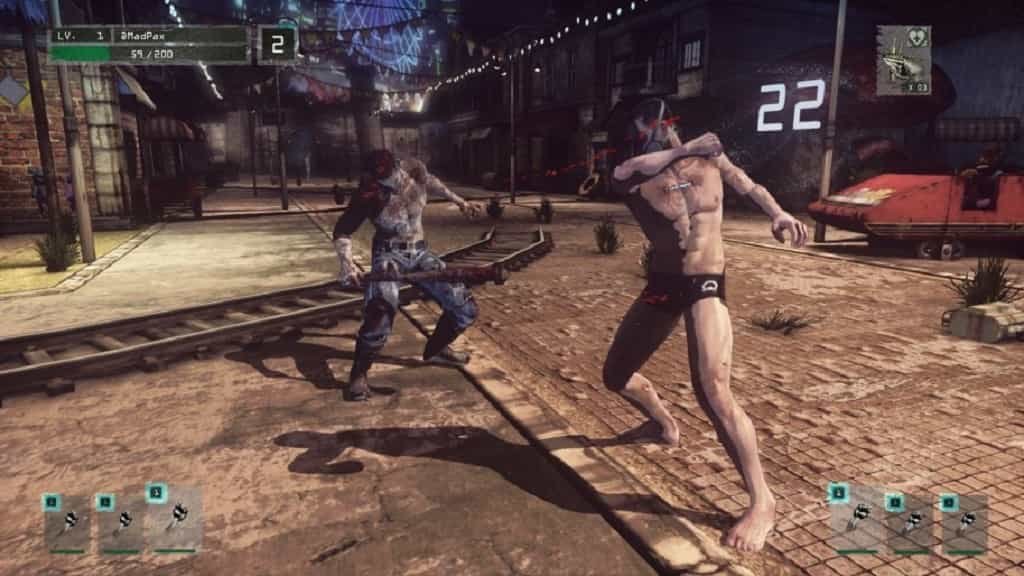
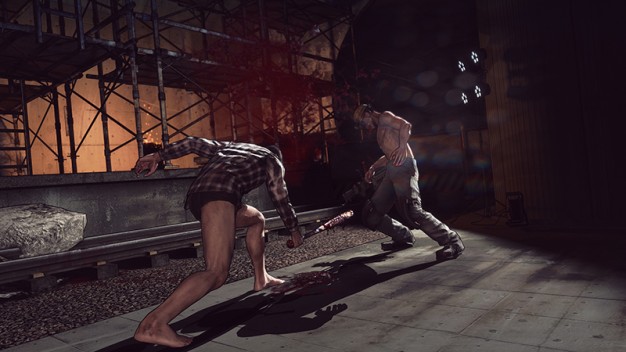
LET IT DIE is built around fast, stamina-driven hack-and-slash combat. Every swing, dodge, and sprint consumes stamina, forcing players to balance aggression with restraint. Weapons degrade, armor breaks, and careless play is heavily punished.
As a roguelike-inspired action game, progression is earned through repetition, mastery, and risk management rather than scripted power scaling.
Death, Fighters & Haters in Let It Die
Players control multiple fighters, each with distinct stats and progression paths. When a fighter dies, recovery comes at a cost — or not at all.
Dead fighters can return as Haters, hostile AI-controlled enemies that populate other players’ towers. This system transforms death into a persistent threat that shapes both solo progression and the wider online environment.
Progression Systems in LET IT DIE & Resources
Progression in LET IT DIE extends far beyond leveling up a single character. Multiple currencies, research systems, and long-term upgrades shape how players advance through the Tower of Barbs, making resource management as important as combat proficiency.
Currencies & Economy
LET IT DIE features a layered economy designed around long-term progression:
- Kill Coins (KC): Standard currency for repairs and purchases
- SPLithium: Research currency tied to territorial control
- Death Metals: Premium currency used for revives and expansions
- Bloodnium: Endgame resource used for advanced upgrades
Managing these resources effectively is essential for sustainable progression.
Decals, Research & Uncapping
Character builds are enhanced through decals, passive modifiers that dramatically affect playstyle. Gear progression relies on Research & Development via the Hernia system, allowing players to upgrade and eventually uncap equipment beyond normal limits.
Uncapping gear is a defining late-game goal, requiring rare materials and careful planning.
Weapons, Armor & Factions
Equipment defines survival in LET IT DIE. Weapons, armor sets, and faction-specific gear determine not only damage output, but also playstyle, durability, and long-term viability during higher floors and endgame encounters.
Major Equipment Factions
Gear in LET IT DIE is divided among distinct factions, each with unique themes and performance profiles:
- D.O.D. Arms: Industrial, blunt-force equipment
- War Ensemble: Military-inspired gear
- Candle Wolf: Fantasy-styled armor and weapons
- M.I.L.K.: Advanced, experimental technology
These factions define build diversity and progression paths.
Rare Materials & Endgame Resources
High-tier upgrades require rare crafting materials, including:
- Black Metal, Green Metal, Red Metal
- D.O.D. Arms Black Metal
- M.I.L.K. Black and Red Metal
Searches related to D.O.D. Arms black metal, green metal, and M.I.L.K. materials reflect the game’s deep crafting requirements and late-game optimization focus.
Multiplayer & Online Systems of LET IT DIE
The Tokyo Death Metro mode introduces asynchronous multiplayer elements that extend progression beyond solo play. By raiding other players’ waiting rooms, TDM adds risk-versus-reward decision-making tied directly to resource acquisition and base defense.
Tokyo Death Metro (TDM)
Tokyo Death Metro is an asynchronous multiplayer mode where players raid others’ waiting rooms to steal resources. Success depends on base defense, fighter strength, and tactical planning rather than reflexes alone. TDM adds long-term tension and replayability without forcing direct PvP encounters.
2026 Meta Note: With the announcement of the LET IT DIE Official Offline Version, the TDM landscape is shifting. While raiding remains the fastest way to farm Kill Coins and SPLithium right now, players are increasingly focused on “Legacy Building”—securing high-tier blueprints and materials that will carry over once the servers transition. Whether you are raiding for rank or prepping for the LET IT DIE: INFERNO rewards, the TDM ecosystem remains the beating heart of the game’s economy.
Even in solo play, the game remains interconnected. Player deaths, shared enemies, and indirect competition create a persistent online ecosystem that evolves with community activity.
Endgame Content & Bosses
The endgame isn’t just about survival anymore; it’s about optimization and absolute dominance. This section dives into the atmospheric horror of the 41+ floors, the tactical nightmares required to take down the 4 Forcemen, and the relentless climb into the Tengoku area.
After spending extended time in Tengoku runs, the biggest shift I noticed was psychological rather than mechanical. Regular enemies stop being obstacles and start feeling like resource checks. Bosses such as Red Napalm and Black Thunder aren’t just fights — they are preparation tests. If your decals, stamina management, or material planning are off, the game exposes it immediately. This is where LET IT DIE stopped feeling like a grind and started feeling like a true endgame survival system.
The Four Forcemen
Endgame challenges revolve around elite bosses known as The Four Forcemen:
- White Steel
- Red Napalm
- Black Thunder
- Pale Wind
Each represents a distinct combat test and progression milestone. These encounters represent some of the game’s most demanding endgame boss encounters.
Jackals & High-Risk Encounters
Jackals are roaming, high-difficulty enemies that punish unprepared players. Facing them is optional — but defeating them is one of the game’s ultimate tests of mastery.
Performance, Controls & PC Experience
Playing LET IT DIE on PC fundamentally changed how comfortable long sessions felt. The ability to fine-tune performance settings and maintain consistent frame pacing made Tengoku runs noticeably less stressful. More importantly, PC control flexibility allowed me to adapt faster between aggressive melee builds and defensive setups. In a game where a single mistake can cost hours of progress, that extra layer of control matters more than visual fidelity alone.
Controls, Input & Responsiveness
Combat demands precise input timing. Controllers offer the most balanced experience, while keyboard setups require careful configuration to maintain responsiveness.
LET IT DIE on PC – Configuration & Expectations
Interest in playing LET IT DIE on PC reflects demand for flexible input options and performance customization. PC-compatible setups depend on configuration, platform availability, and controller support rather than a single standardized release.
Pros & Cons
✅ Pros
- Deep roguelike progression with meaningful risk
- Distinctive tone and satirical presentation
- Extensive build variety through factions and decals
- Asynchronous multiplayer adds long-term engagement
- Free-to-play model without mandatory spending
❌ Cons
- Extremely punishing for new players
- Progression can feel grind-heavy
- Complex systems require time to understand
- Death penalties may frustrate casual audiences
User Reception & Long-Term Activity
LET IT DIE has maintained an active and dedicated player base years after release. Its difficulty, unconventional design, and unapologetic grind have earned it a reputation as a niche but deeply rewarding experience.
Community discussion frequently centers on Tengoku runs, optimal gear paths, and high-risk boss encounters. Despite its age, the game remains active, with seasonal events and ongoing player engagement.
Final Editorial Verdict
LET IT DIE stands as one of the most distinctive action roguelikes of its generation. Its blend of punishing combat, persistent death mechanics, and dark humor creates an experience that demands commitment but rewards mastery.
For players seeking a challenging, systems-driven action game with long-term progression and a unique identity, LET IT DIE for PC remains a compelling and relevant option.
FAQ
❓ Can you play LET IT DIE on PC?
Yes. LET IT DIE is playable on PC, allowing players to experience its full gameplay systems with modern hardware configurations and flexible control options.
❓ Is LET IT DIE still active?
Yes. The game continues to maintain an active player base, with ongoing community activity and online features remaining available.
❓ What is LET IT DIE Tengoku?
Tengoku is a high-level endgame mode featuring extreme difficulty, rare materials, and long climb sessions designed for experienced players.
❓ What is Red Napalm in LET IT DIE?
Red Napalm is one of the Four Forcemen bosses, known for her difficulty and valuable material drops used in advanced gear upgrades.
If you want Let it Die on your PC, click on:

Installation instructions Let it Die version for PC:
1. UnZip Archive
2. Open folder “ Let it Die”
3. Double click on “setup” (if don’t works, click right on “setup” and click on “Run as administrator”)
4. Install the game
5. Open /Activation directory on your game install directory and take the registration code
6. Enjoy the game !
*During the install all data package of game is downloaded. You need space on HardDisk (HDD)! Check System Requirements.
LET IT DIE SYSTEM REQUIREMENTS:
In order to play Let it Die on your PC, your system needs to be equipped with at least the following specifications:
- OS: Windows 7 64-bit
- Processor: Core 2 Duo 2.4 GHz or Athlon X2 2.7 GHz
- RAM: 1.5GB
- Graphic card: DirectX 10 or 11 compatible Nvidia or AMD ATI card, ATI Radeon 3870 or higher, Nvidia GeForce 8800 GT or higher.
- Graphics card memory: 512 MB
- Sound card: DirectX compatible sound card
- Hard drive: 16 GB for disc version or 8 GB for digital version
For the best Let it Die PC download experience, however, we recommend having a system equal to or better than the following specifications:
- OS: Windows 8 64-bit or Windows 10
- Processor: Quad-core Intel or AMD CPU
- RAM: 4GB
- Graphics card: DirectX 11 Nvidia or AMD ATI card, Nvidia GeForce GTX 560 or ATI Radeon 6950.
- Graphics card memory: 1 GB
- Sound card: DirectX compatible sound card
- Hard drive: 16 GB for disc version or 8 GB for digital version
Let It Die